Attic & Wall Insulation in Lafayette, CO
Price before we start, in writing.
4.6 on HomeAdvisor ·247 reviewsWhat we do
Attics, walls and the air leaks between them, for homes from Fort Collins to Castle Rock. We measure what's there before we price anything.

Attic insulation
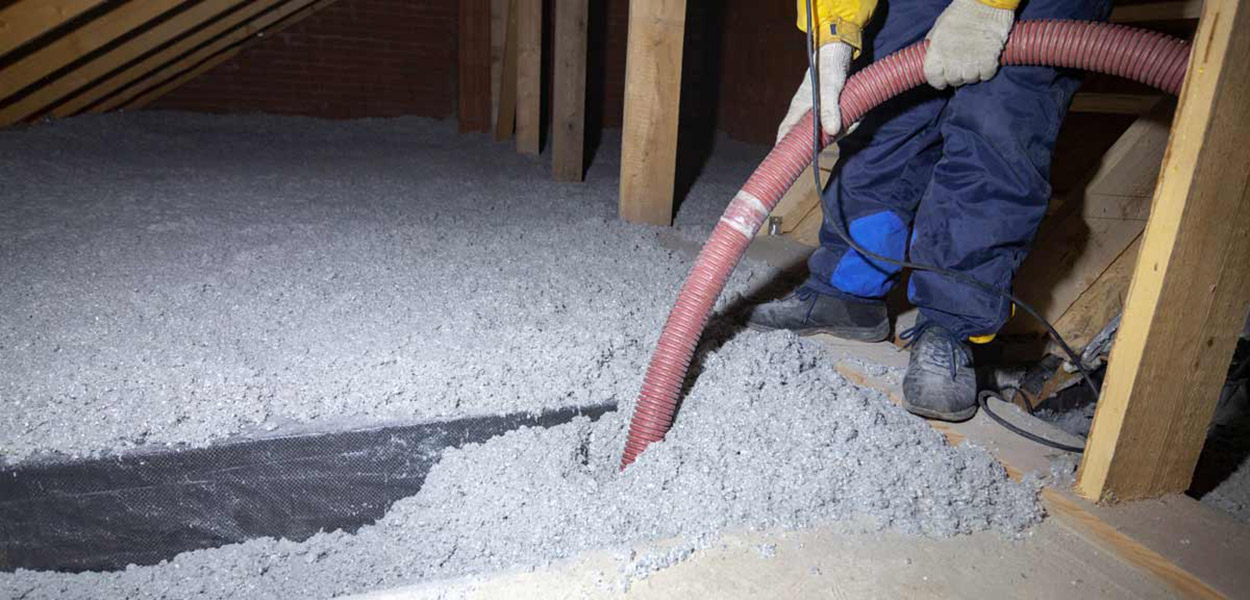
Blown-in cellulose to R-49–R-60, the range the Department of Energy recommends for Colorado attics. Top plates, flues and bath fans get sealed first, and depth rulers go in so you can see what you paid for.
Wall insulation
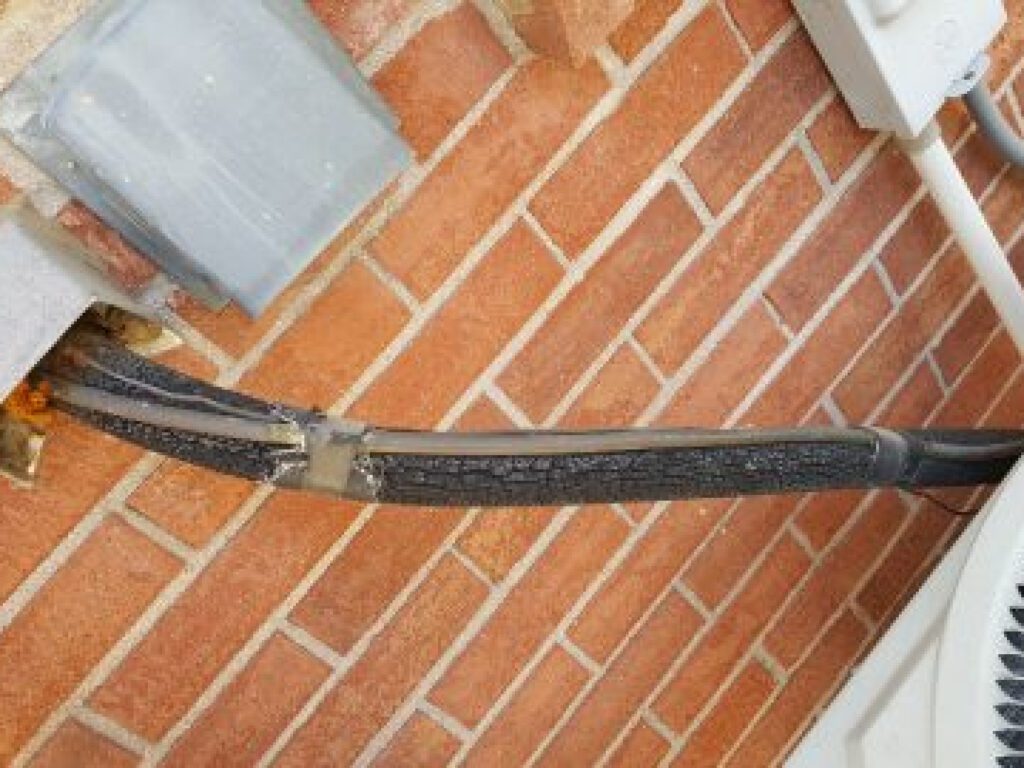
Dense-packed cellulose into existing walls, even ones that already have some insulation, from outside or through small patched holes. No drywall comes out. On brick, we go in through the mortar joints.

Air sealing & energy audits
A blower-door test shows where the air is leaking. We seal with fire-rated foam and caulk, then test again so you get the before and after numbers.
Vaulted & cathedral ceilings
Dense-packed cellulose in scissor trusses and cathedral ceilings, where batts leave gaps.
Rooms over the garage
Floor, wall and knee-wall insulation for the room that’s always cold.
Crawl spaces
Insulating the crawl space so the floors above stop feeling like ice.
Brick homes
Wall insulation installed from the outside through the mortar joints — a method we pioneered.
Just the attic, or the whole house?
Most homes start with the attic. Some need the walls done too. Tell us what you're feeling and we'll tell you which, and it costs nothing to be wrong.
Choose the attic if
Air sealing plus blown-in cellulose. Most attics are done in a day.
Text us about the atticChoose the whole house if
An energy audit first, then attic, walls and air sealing in the right order. Usually two days.
Text us about the whole houseAudit, seal, insulate, verify
Insulation isn't always the first step. Air leaks can undo the insulation you already have, so we find and seal them before adding more.
Audit
Start with a phone consult, a free on-site estimate, or a full Level 2 energy audit (about 3.5 hours, discounted for Xcel customers). You get the price in writing before any work starts.
Air seal
Top plates, flues, wire holes and bath fans sealed with fire-rated foam and caulk, before any insulation goes in.
Insulate
Cellulose blown into the attic and dense-packed into walls, with depth rulers left so you can see what went in.
Verify
A second blower-door test measures the improvement. We file the Xcel rebate paperwork for you.

A cold room is often a wall problem
You feel the temperature of the surfaces around you, not just the air. An uninsulated wall stays cold however high the thermostat goes. We dense-pack existing walls without tearing out drywall, and do brick homes from the outside.

Nearly 50 years of doing it right
Colorado's insulation specialists since the 1970s. Here's what that looks like.

“I closed the door and the house with no help from the furnace increases its indoor temperature 2 degrees… The coldest the house got over night was down to 65, and outside it was 25.”
The night after the install, the furnace was off and the house still gained 2°. It held 65° overnight while it was 25° outside.
Insulating Colorado homes
Family-run, based in Lafayette, and insulating Colorado houses since the 1970s.
Building permits on record
Insulation permits pulled under Bestway Insulation LLC, listed publicly on BuildZoom.
See the permits →Years of combined crew experience
The people in your attic have done this a long time.
Set the standard others follow
Our founder inspired the National Workforce Specifications, the first ANSI standard in the insulation industry.
This is a demo of how your AI assistant answers leads when you can't. Everything else on this page is your site.
Questions we get weekly
What R-value should attic insulation be in Colorado?
The U.S. Department of Energy recommends R-49 to R-60 for attics in Colorado’s climate. Xcel Energy’s attic rebate currently requires reaching R-60 from below R-24. Bestway installs to R-60 on most attics.
How much does attic insulation cost?
It depends on the attic’s square footage, how much insulation is already there and the R-value you’re going for. Air sealing adds to the price but is usually where the biggest savings are. Bestway measures on site and gives you the price in writing before any work starts.
How much can insulation and air sealing save on energy bills?
Savings depend on the house, what’s there now and how you heat and cool it. Bestway customers commonly report 20–30% lower energy use after whole-house insulation and air sealing. A blower-door test before and after shows the measured improvement on your house.
Can you insulate existing walls without removing drywall?
Yes. Cellulose can be dense-packed into closed walls through small holes, drilled from outside or inside, that are then patched. On brick homes it can go in through the mortar joints. Bestway does both, including walls that already have some insulation.
Is blown-in cellulose or fiberglass better for an attic?
Both work. Cellulose is denser, gives about R-3.5 per inch and blocks more air movement, while fiberglass is lighter. Bestway usually recommends cellulose for Colorado attics.
Does Xcel Energy give rebates for insulation?
Yes, for eligible Xcel customers: a percentage of the cost for attic insulation, wall insulation and air sealing, with caps. The work has to be done by a participating contractor, with a blower-door test before and after. Bestway files the rebate paperwork for you.
Should I air seal before adding insulation?
Yes. Loose insulation doesn’t stop air, so warm air keeps escaping through gaps at top plates, light fixtures and bath fans. Sealing first makes the insulation work properly. Bestway seals every attic before insulating it.
How long does insulation installation take, and do I need to leave?
Most attics take a day, and a whole-house job with walls, attic and air sealing typically takes two. You can usually stay home: the crew tarps doorways and covers anything vulnerable to contain dust. Tell them if anyone at home has allergies or breathing problems.
Let's get it warmer in there
Send the address and which rooms are uncomfortable. A photo from your attic hatch helps — attach it right in the text.